
Forest bathing, known as shinrin-yoku in Japanese, literally means “forest bathing” or “taking in the forest atmosphere.” It is a mindful practice of immersing yourself in a forested environment. It involves slowly walking, sitting, or simply being present in the woods. Engage all your senses—sights, sounds, smells, textures, and even the taste of fresh air—without rushing, exercising intensely, or using devices.
This low-effort nature therapy was pioneered in Japan in the 1980s. It has been extensively studied. It is shown to deliver real, measurable benefits for physical and mental health, and forest bathing has become popular worldwide.
Key Health Benefits Backed by Research
Scientific studies, including randomized controlled trials, systematic reviews, and meta-analyses, highlight several consistent effects. One of the standout practices is immersing yourself in nature through forest bathing.
- Stress Reduction and Lower Cortisol Levels Forest bathing significantly decreases cortisol. This hormone is the primary marker of stress. Its level is often measured in saliva or blood. Multiple studies show lower cortisol levels after forest sessions than after urban walks or in control settings. This activates the parasympathetic nervous system (rest-and-digest mode), reducing the fight-or-flight response. → Result: Decreased feelings of tension, anxiety, anger, depression, fatigue, and confusion, with increased vigor and relaxation.
- Improved Mood and Mental Well-Being Meta-analyses confirm that forest bathing reduces symptoms of depression. It also alleviates anxiety and boosts overall psychological well-being. Participants frequently report greater peace, happiness, and mindfulness. Benefits appear even after short sessions (20–120 minutes) and can be stronger in people experiencing chronic stress.
- Cardiovascular and Autonomic Benefits: Regular practice lowers blood pressure, both systolic and diastolic, along with heart rate and pulse. It also improves heart rate variability, which is a marker of autonomic nervous system balance. These effects support better cardiovascular health and stress resilience, with some evidence of benefits for people with hypertension.
- Boosted Immune Function One of the most unique benefits is inhaling phytoncides. These are natural antimicrobial volatile compounds released by trees, like pinene from pines and cypresses. This inhalation increases natural killer (NK) cell activity and numbers. NK cells target virus-infected cells and tumor cells. Studies show elevated NK activity and anticancer proteins (perforin, granzymes, granulysin) after forest time. The effects can last up to a month or more. This suggests potential preventive support against infections and possibly cancer progression, though more research is needed.
- Other Physical and Preventive Effects Additional findings include better sleep. They also show reduced inflammation markers. Improved blood glucose regulation is seen in some cases. There is enhanced overall resilience against non-communicable diseases.
Many of these benefits come from a mix of elements. These include phytoncides and negative air ions. Soothing natural sounds and visuals also play a part. Physical movement is important, too. There is also a psychological shift away from daily stressors. Practicing forest bathing may maximize these positive effects.
Special Benefits for Children and Families
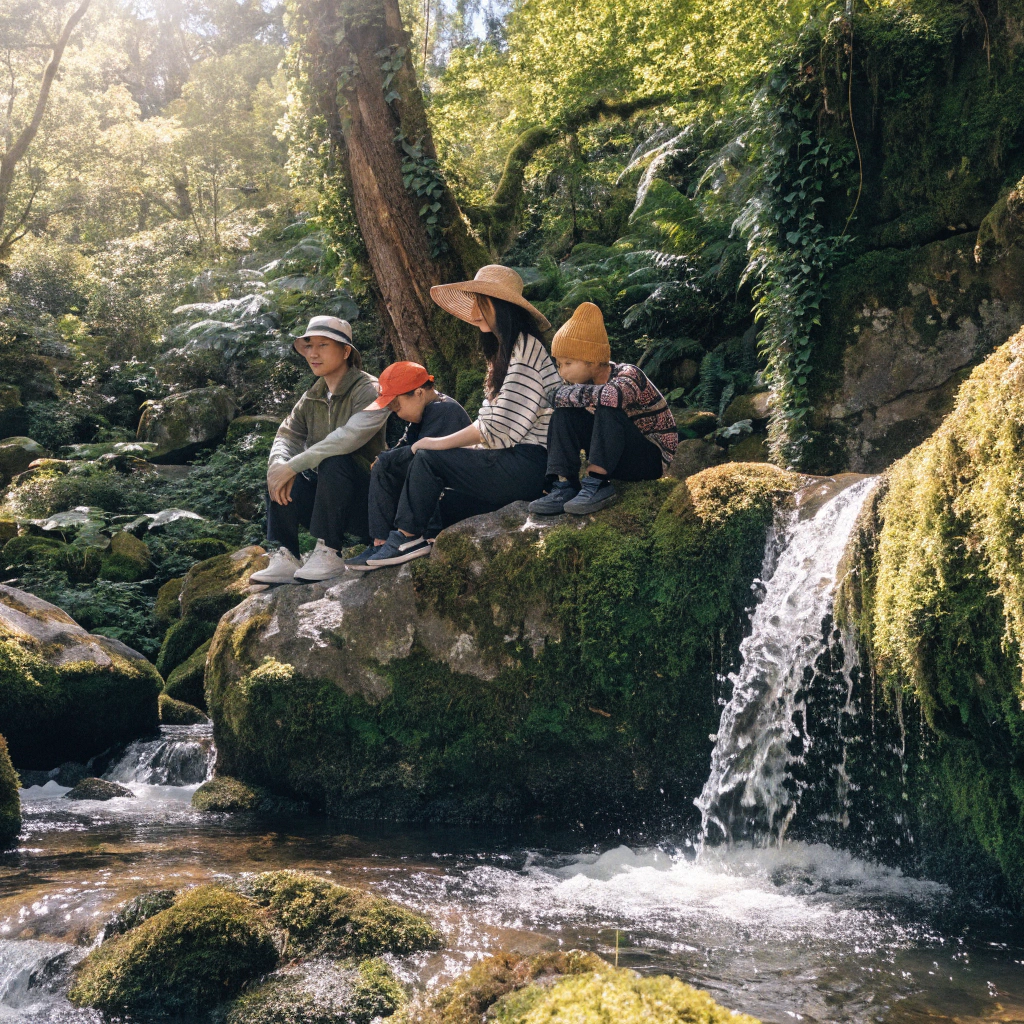
Forest bathing is especially valuable for kids. Research shows it can, through mindful immersion in wooded environments, improve focus and emotional well-being in children and families.
- Improve focus and reduce ADHD-like symptoms
- Lower stress and anger
- Enhance emotional regulation and mindfulness
- Boost mood, confidence, and connection to nature
- Support better sleep and overall well-being
Structured forest bathing sessions have led to measurable improvements in mental health for children and adolescents. This is true even for those facing behavioral or emotional challenges. It’s a gentle, screen-free way to build resilience and foster family bonding, and forest bathing offers an easy path to this positive outcome.
How Long Do You Need?
You don’t need days-long trips. Studies show meaningful benefits from practicing forest bathing for even short periods of time.
- 20–30 minutes in nature (daily or several times a week)
- 120 minutes total per week (one longer visit or several short ones)
Even looking at forest scenes or inhaling forest-derived essential oils can offer partial benefits. Yet, for best outcomes, a direct forest bathing experience is recommended.
Forest bathing is a simple and accessible practice. Research supports that it enhances holistic health. It does so by reducing stress, strengthening immunity, calming the mind, and reconnecting with the natural world. It’s especially relevant for families seeking low-cost, enjoyable wellness practices, where the forest bathing experience is suitable for all ages.
Have you tried forest bathing, or would you like tips on starting a simple session? 🌲